Best HMDD Track Pants to Buy Expert Styling Tips
HMDD Collaborations: What They Mean for the Brand’s Identity
HMDD, short for Happy Memories Don’t Die, has built its name on a philosophy rather than a logo. The brand treats clothing as a vessel for nostalgia, and every collaboration it enters becomes a test of whether that idea can survive contact with another creative voice. When two brands merge visions, one of them usually bends. With HMDD, the bending tends to happen carefully, because the phrase “happy memories don’t die” is not just a tagline — it is the entire reason customers return. Collaborations force the label to answer a harder question than “what does this look like?” It has to answer “does this still feel like us?” That tension is exactly why HMDD’s partnerships matter more than a typical streetwear crossover.
The majority of fashion cross-brand partnerships serve mostly to borrow attention. A smaller-scale name links up with a higher-profile name, enjoys a burst in traffic, and moves on. HMDD’s take on this feels different in reality. The brand usually pick collaborators who already share an emotional register — wistful, nostalgia-fueled, subtly defiant — instead of going after the most attention-grabbing option out there. This careful curation shapes how the identity stays coherent across drops, and it’s useful to break down one element at a time.
How Partnerships Put Pressure on Core-Identity
Safeguarding a brand’s identity is simplest when it stays independent. Every material decision, every graphic positioning, every fit decision remains within the control of a single team. As soon as a new creative partner enters, trade-offs begin to accumulate. HMDD clothing has earned recognition around particular cues: distressed graphics, oversized silhouettes, and text treatments that reference memory, loss, and time. Those signals could readily be diluted into something more generic by a collaborator with a sharper, more commercial aesthetic.
This is where measured control becomes a strategic asset. Commentary and testimonials out of the HMDDLA community persistently note that collaboration pieces continue to hold its foundational design language — matching material weight, the same lived-in print method, matching sentimental wording on labels and inserts. Such consistency doesn’t happen by chance. This hints at an unspoken guideline: collaborators may shape hue or shape, but the emotional throughline remains unaltered.
Consider the alternative. If HMDD released a collab hoodie with bright, glossy branding and zero reference to its usual themes, longtime hmdd.clothing/shorts-sweatpants buyers would notice within seconds. The brand’s audience isn’t drawn in by trend-chasing; they’re drawn in by specificity. A single misstep — one collection that feels like merchandise rather than memory — could cost more trust than any short-term sales bump would repay.
What Exactly Collaborations Show Regarding HMDD’s Own Design Language
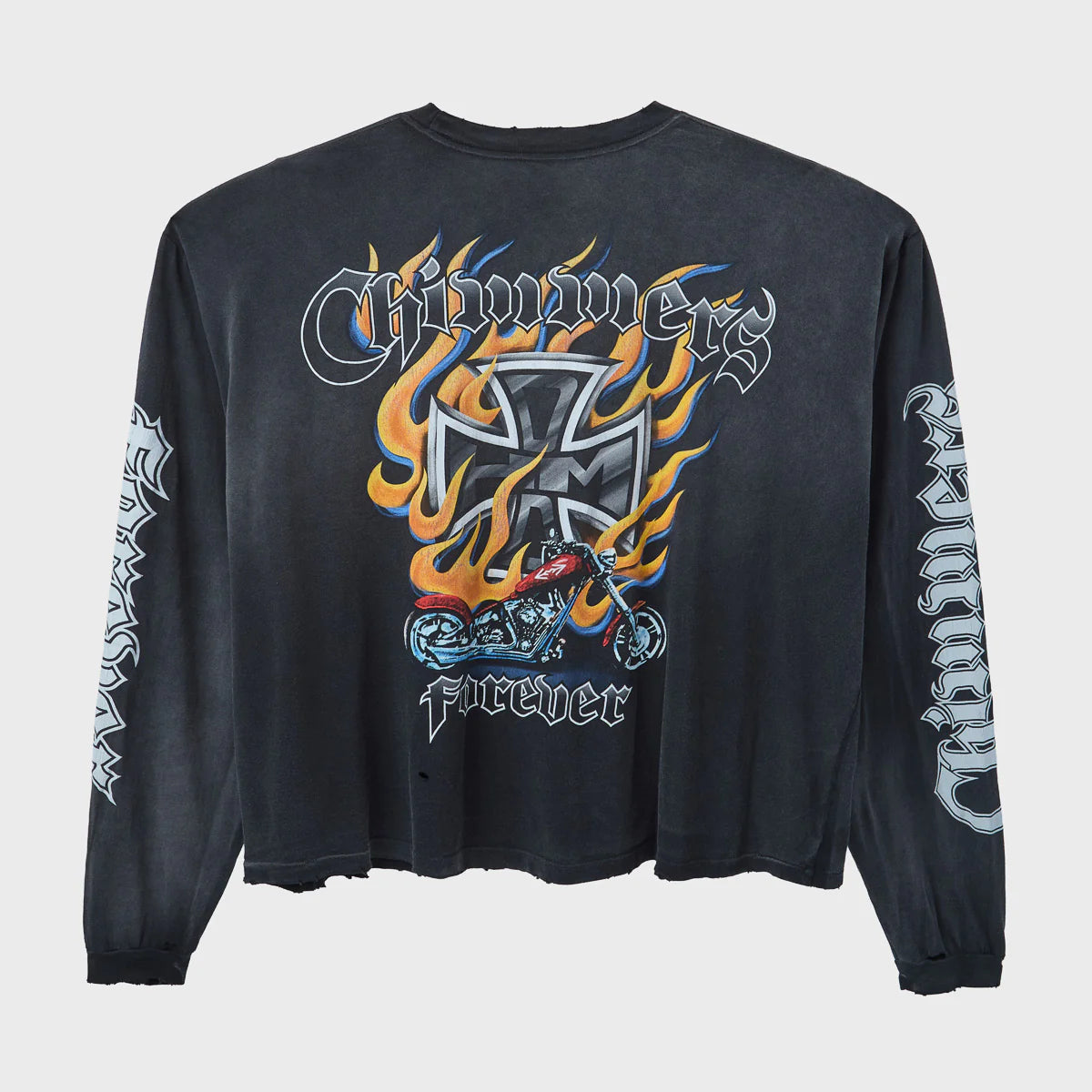
Creative patterns that might under other circumstances go overlooked get brought into focus by each joint release. Any time HMDD partners with someone outside the brand, certain elements resurface across almost every drop: substantial cotton fabrics (usually in the 280–400 GSM range for hoodies and sweatshirts), loose-fitting silhouettes, and hand-distressed or re-dyed finishes that impart each piece a lived-in quality instead of a factory-fresh one. This tendency is especially visible in HMDD sweatpants — a loose taper, ribbed cuffs, and a material feel that prioritizes comfort over crisp shaping.
The same reasoning carries over to HMDD shorts. Instead of relegating shorts to an afterthought, HMDD applies the same aging treatments and typography choices found on outerwear pieces, helping a entire seasonal release read as unified rather than scattered. That consistency across categories — hoodies, sweatpants, shorts, tees — helps explain why shoppers specifically look up “best hmdd clothing” rather than defaulting to a run-of-the-mill streetwear alternative.
Textile heft stays dense and weighty, even in warm-weather pieces like shorts.
Type styling leans on script-style or worn-stencil styles rather than crisp sans-serif labeling.
Tonal choices lean toward washed-out blacks, softened greys, and dulled earthy hues over vivid colors.
Print imagery nod to nostalgia, transience, and the passage of time instead of straightforward branding.
Once an outside partner steps into this space, they’re essentially asked to adopt HMDD’s design vocabulary rather than asserting their own identity. It’s a bigger demand than it seems, and this is exactly why not every pitched collaboration reaches the shelf.
The Business Logic Behind Selective Partnerships
Streetwear’s market logic favor limited supply while penalizing overexposure. A brand that collaborates with everyone eventually collaborates with no one memorably. The brand’s release rhythm seems to lean toward small batch runs and infrequent collaboration drops rather than a constant stream of co-branded product. That pacing does two things at once: it preserves the feeling of exclusivity, and it allows the design team the time needed to ensure each release still feels distinctly HMDD.
A pricing rationale also deserves mention. Collaboration pieces in streetwear typically carry a premium over standard catalog items — commonly priced 15–30% higher — because of added production complexity, limited runs, or dual-branding costs. Buyers checking an “hmdd review” beforehand often point to the price-versus-quality balance as the key factor, so a collaboration that hikes the price but not the perceived skill behind it risks backlash rather than praise.
Because of this the savviest fashion joint ventures operate more as shared research-and-development efforts than promotional gimmicks. Both teams combine their methods — perhaps one brings a dyeing technique while the other supplies a shape — and what emerges should read as deliberate rather than thrown together. When that balance works, each fanbase ends up embracing the other label. When it fails, both fanbases feel like an afterthought.
Evaluating Various Approaches to Collaboration
To get a sense of where HMDD stands compared with standard streetwear collaboration playbooks, it helps to compare a few widely-used methods applied across the industry in 2026. The chart that follows lays out three broad collaboration patterns seen in the broader streetwear scene, not tied to specific named partners.
Type of Collaboration
Core Aim
Usual Drop Scale
Danger to Brand Voice
Repeated co-branding
Boost exposure and attention
Large, ongoing batches
Significant — brand character erodes with overexposure
Single hype drop
Quick sales spike
Extremely scarce, one-time run
Medium — impact wanes once trend passes
Carefully-chosen, principle-driven partnership (HMDD’s usual pattern)
Reinforce core identity while engaging adjacent audiences
Sparing, infrequent
Low — partner conforms to brand language rather than supplanting it
It’s in that third category that HMDD’s partnerships tend to settle. The label seems uninterested in crowding its drop schedule with collaborative product. Rather, each partnership seems designed to answer a specific creative question — a new fabric finish, an unexplored color palette, a new take on distressing — while leaving the sentimental center of “happy memories don’t die” completely preserved.
Why This Matters to Shoppers in 2026
If you’re stacking HMDD up against other emerging streetwear brands this year, collaborations offer a valuable litmus test. Should a collaborative piece still come across as clearly HMDD — same fabric weight, same worn typography, same emotional resonance — it’s a clear sign the brand’s identity is stable enough to survive growth. Should upcoming releases begin to feel indistinguishable regardless of the partner involved, that amounts to a warning sign worth keeping an eye on.
Buyers checking out HMDD sweatpants, HMDD shorts, or any joint-release item should pay attention to a few concrete details before buying: fabric weight specified in the product description, whether sizing runs standard-fit or oversized by design, and whether the piece is part of a numbered or limited run. These details matter more in collaboration releases than in standard catalog drops, since collaboration pricing generally lands higher and expectations increase accordingly.
At the end of the day, HMDD’s collaborations act as identity checkpoints rather than pure marketing events. Each collaboration questions whether the brand can widen its reach while still holding onto the particular, memory-fueled atmosphere that first built its fanbase. Thus far, the trend hints at a brand prioritizing the protection of its voice over chasing all available attention — and for a label built wholly around emotional resonance, that self-control may be its most valuable asset heading further into 2026.